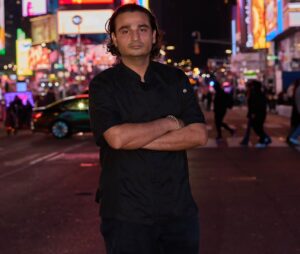
Chef Triptpal Gandhi is a modern Indian chef and culinary innovator known for translating classical Indian flavor foundations into contemporary textures and techniques, without losing the essence of flavor memory. With an international career spanning India, Dubai, Moscow, and the United States, Gandhi’s work bridges tradition, innovation, sustainability, and modern culinary philosophy.
Here is an exclusive conversation with Chef Triptpal Gandhi
Modernisation of cuisine has become a popular trend globally. What is your take on this?
Modernisation became popular partly because chefs were chasing differentiation—Michelin recognition, global attention, and the desire to create something new. In the 2010s, modern Indian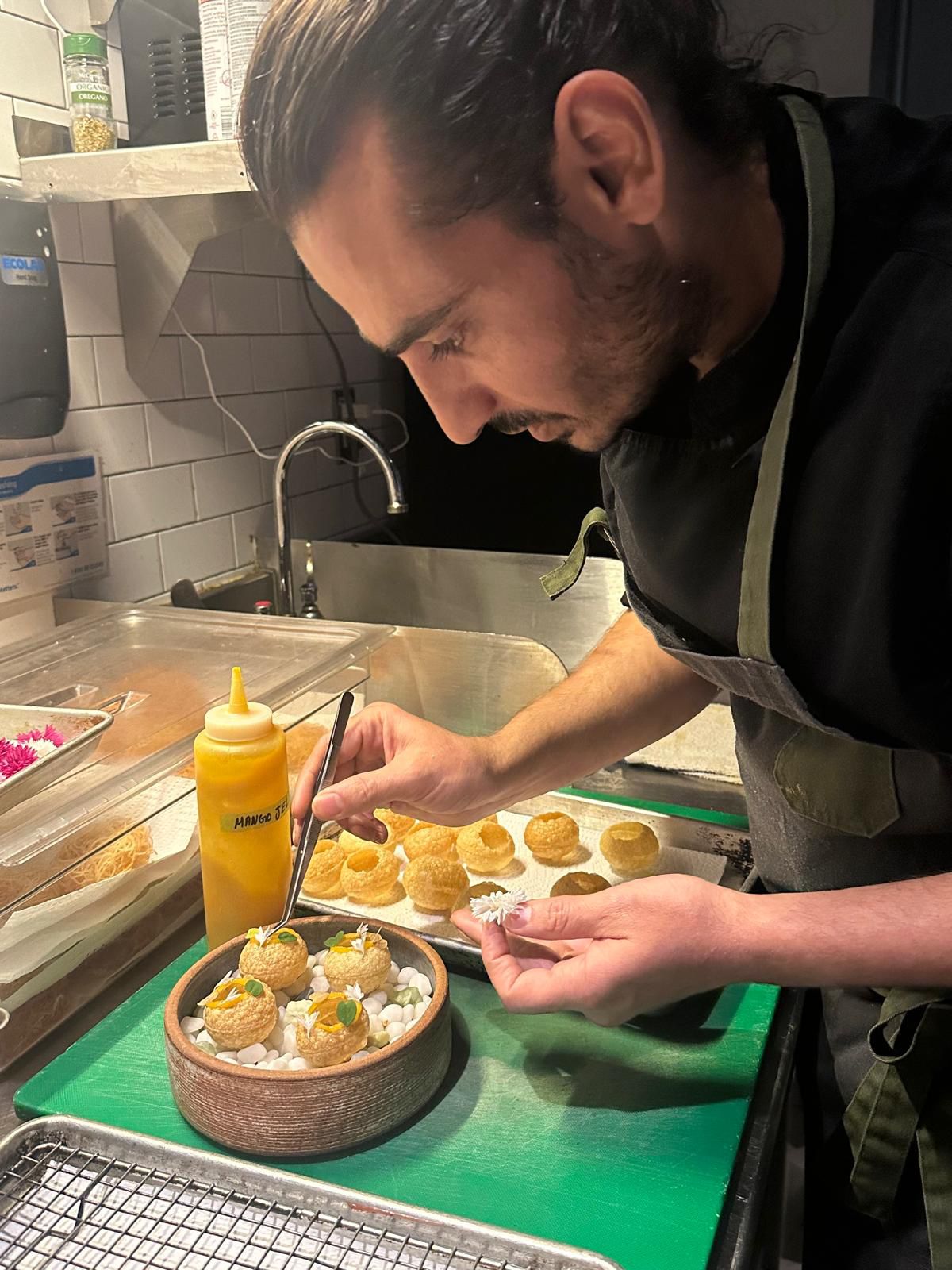 cuisine especially became a strong movement, and more chefs began developing signature dishes and personal styles while reinterpreting tradition. For me, modernization is not a goal in itself; it is a tool. The purpose is not to modernise for novelty, but to use technique and structure to express flavors more clearly and meaningfully.
Which Indian food traditions must always be preserved, even in experimental dishes?
The traditions that must always be preserved are the core flavors and classical pairings. Techniques, textures, and presentation can evolve, but the soul of a dish lies in its flavor memory. Every dish can be modernized if one first understands its traditions and then carefully bridges that foundation with the right technique. If a technique does not enhance the essence of the dish or reach a meaningful conclusion, it is better to leave it untouched rather than force innovation.
Is modernising Indian cuisine mainly about technique, ingredients, or narrative?
Modernisation of Indian cuisine initially gained momentum partly from the pursuit of global recognition and Michelin-level standards, with the aim of presenting Indian food as a refined international cuisine. On the global stage, all three elements—technique, ingredients, and narrative—play important roles. However, not every dish requires all of them equally. Some dishes stand beautifully on their own through flavor alone, some depend on extraordinary ingredients, and others are elevated primarily through narrative and storytelling. If technique becomes the loudest voice in the room, the dish often loses its soul.
Are there traditional Indian ingredients still overlooked by modern chefs?
Yes and no—it largely depends on the availability of ingredients and the terroir in which a chef and restaurant operate. However, many traditional Indian ingredients remain overlooked, particularly in the way they are understood and applied. For example, stone flower (pathar ka phool) is commonly used merely as a spice, whereas it is in fact an edible-algae with a unique botanical and aromatic profile. It behaves differently depending on extraction, fat content, and cooking time. When such ingredients are studied more deeply, they open new possibilities for both flavor and technique.
How does sustainability shape your modern Indian menus?
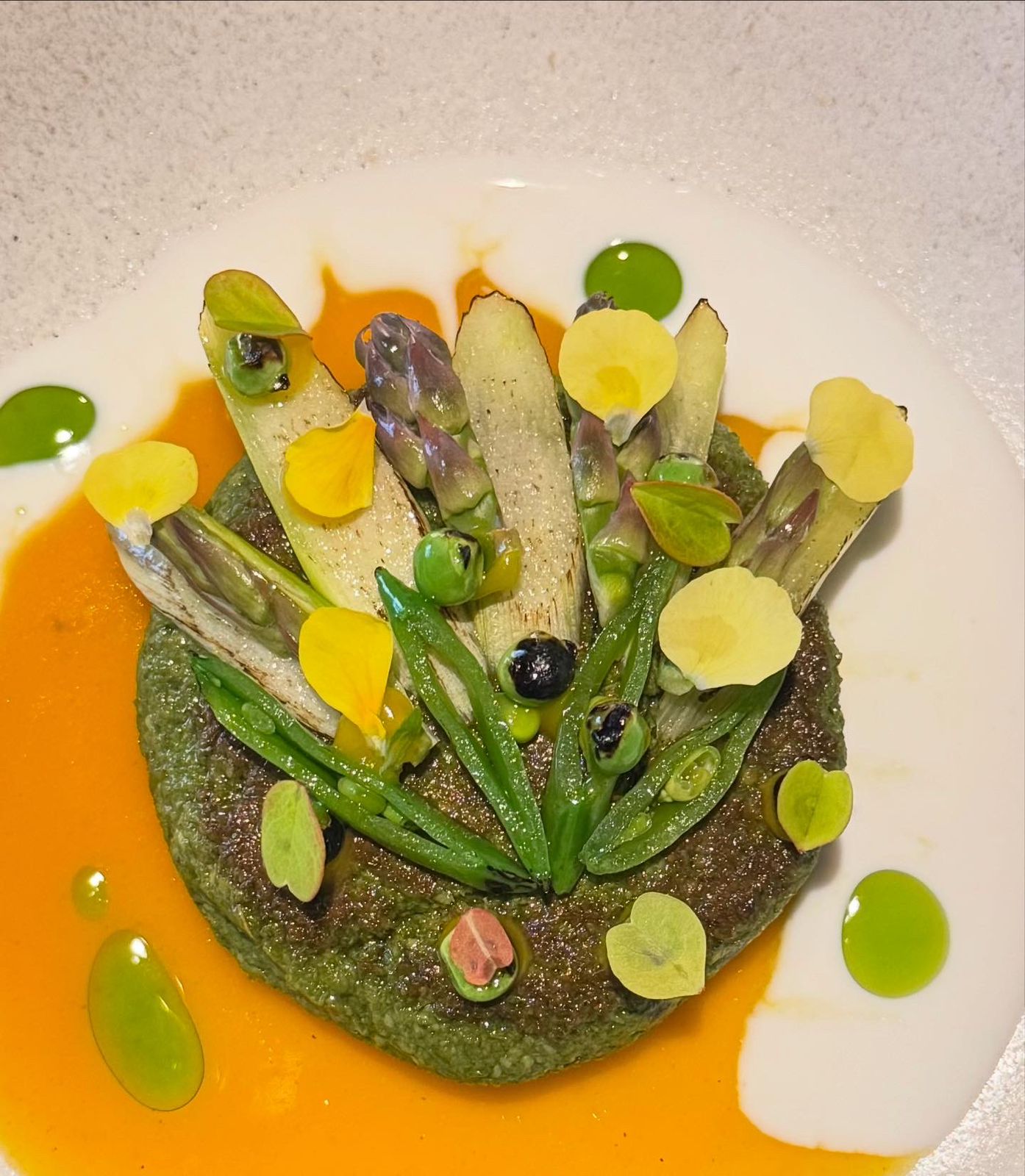 Every cuisine in the world originally evolved from sustainability—by consuming what was locally available and seasonally accessible. In today’s globalized culinary landscape, the focus has shifted toward reducing carbon footprints, which gradually and naturally leads toward true sustainability. Sustainability is not merely a concept or a term; it is a continuous practice.
In the future, sustainability will shape modern Indian menus by encouraging chefs to think more creatively and work within meaningful constraints. Challenges often become the foundation of innovation, and modernisation itself is born from problem-solving. I believe sustainability and the reduction of carbon footprints represent one of the greatest challenges humankind is facing today, and cuisine has an important role to play in addressing it—not by marketing sustainability, but by practicing it daily.
What experience led you to modern interpretations over classical cooking?
There was no single experience that led me toward modern interpretations, and I do not place modern cooking above traditional cuisine. I continue to work with both simultaneously.
However, I choose to represent myself primarily as a modern Indian chef because this approach aligns naturally with my mindset, creative personality, and the way I think about food. For me, modern Indian cuisine is simply the most authentic expression of who I am as a chef today.
What are your favourite ingredients to cook with?
I particularly enjoy working with vegetables and the textures of molecular gastronomy, as both provide immense creative freedom to transform ingredients across shape, texture, and flavor. At the same time, I am increasingly exploring meat-based preparations through a similar lens, applying the same techniques and creative philosophy to develop new expressions of classical ingredients.
What is your signature dish?
My signature dishes include the Dahi Bhalla Pastry and a seven-day cured scallop served with moilee. Both dishes reflect my philosophy of respecting classical flavors while reinterpreting them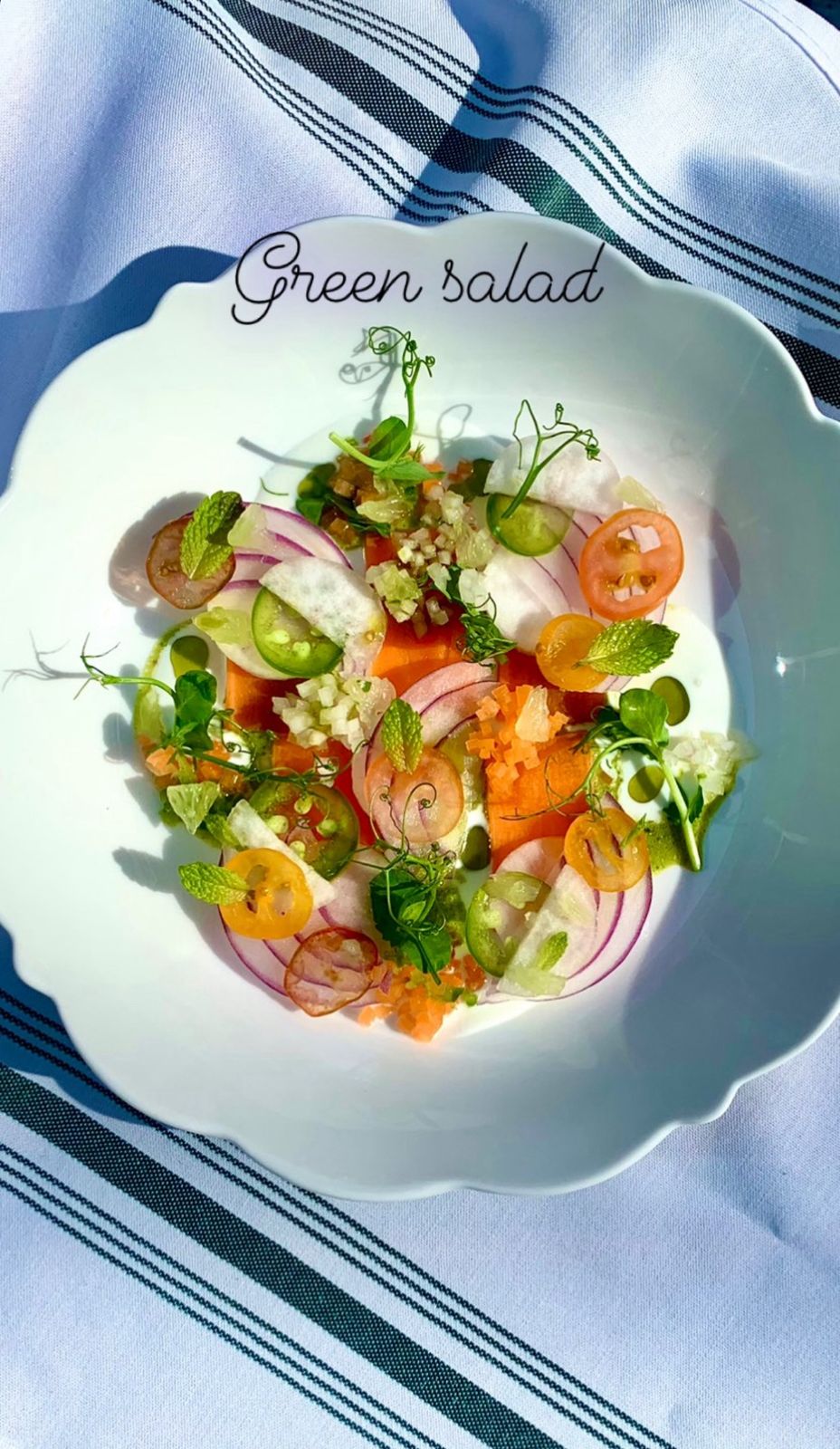 through modern technique and structure.
Which chef or cuisine most influences your work?
My work has been influenced by several chefs and culinary philosophies. I am deeply inspired by Chef Grant Achatz for his innovation and technical approach, and by Chef Sujan Sarkar for his leadership in modern Indian cuisine.
I also admire the conceptual depth of René Redzepi, the sustainability-driven philosophy of Douglas McMaster, and the creativity of Josh Niland in redefining ingredient-led cooking. I believe my future style will be an amalgamation of these influences, shaped through my own culinary voice.
If not a chef, which creative field would you pursue?
If I were not a chef, I would likely pursue entrepreneurship. The process of developing a product and bringing it to market requires the same creativity, vision, and problem-solving mindset that I apply in the kitchen.
What advice do you have for young chefs who fear innovation may sacrifice authenticity?
My advice would be to first master fundamental techniques and develop a strong foundation in classical cuisine. Learn how to cook with discipline like a line cook, and then learn how to think creatively like a chef. Innovation often challenges confidence—it may break it initially, but in the process, it rebuilds it stronger. When technique and knowledge are in place, the fear of innovation naturally disappears, and authenticity remains intact.