Mr. Jorge Andrés Loyola Castro, Chilean Trade Commissioner to India, focuses on promoting Chilean exports and building partnerships with India. With a deep understanding of international markets and bilateral cooperation, he actively promotes Chilean exports and fosters partnerships across sectors.
In this interview, he highlights strategic priorities and emerging trade opportunities shaping Chile–India economic relations.

How would you describe the current trade relationship between India and your country?
Chile and India are at a pivotal stage in trade relations. India is a crucial market for Chile’s export diversification, as shown by record bilateral trade even without a Comprehensive Economic Partnership Agreement (CEPA). Between January and November 2025, Chile’s exports to India grew nearly 46% year-on-year, highlighting diversification into food, forestry, manufactured goods, and services. Chile’s status as India’s top walnut supplier underscores this expanding relationship. As CEPA negotiations move forward, these record figures show that the Chile–India trade relationship is solid, complementary, and full of potential for further expansion.
Which sectors do you see driving the next phase of bilateral trade growth?
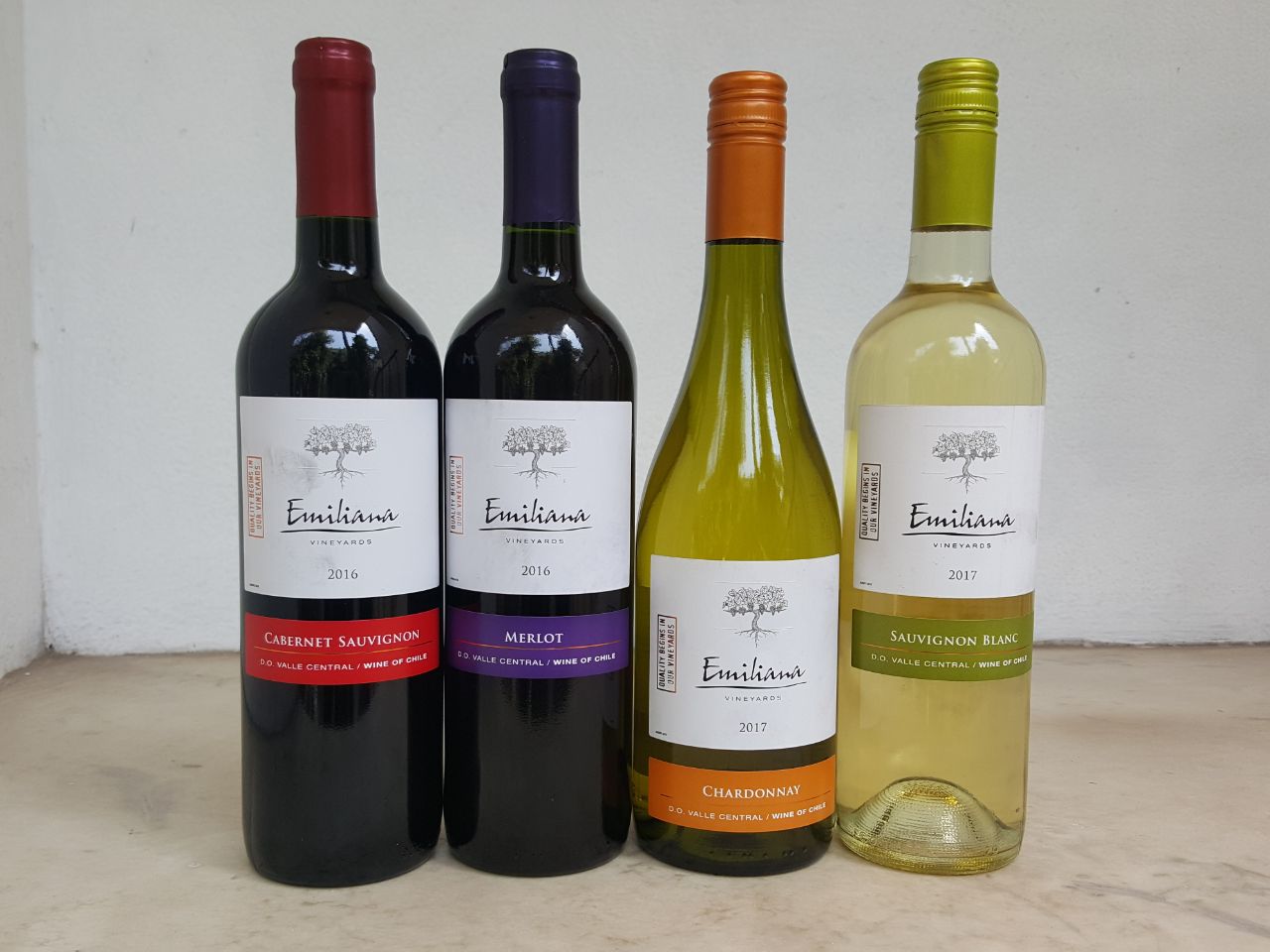
The next phase of Chile–India trade growth will focus on expanding Chilean agrifood exports—including seafood, wine, fresh fruit, and processed foods—aligning with India’s evolving consumer demand for higher-value, branded products.
Services are central to future trade. Chile’s strengths in mining, agriculture, and aquaculture services—covering technology, engineering, and sustainability solutions—align closely with India’s needs for greater productivity and climate resilience. These competitive capabilities are already exported globally, making them highly relevant for India. Opportunities are also increasing in sectors such as fintech, edtech, healthtech, and climatech, all of which are supported by Chile’s innovation ecosystem. Additionally, creative industries like film production and audiovisual content offer promising areas for collaboration and new economic links, supporting a diversified, higher-value trade relationship.
How attractive is India today as a destination for foreign investment?
We clearly see growing interest from both the Chilean public and private sectors in deepening ties with India.
India stands out as one of the world’s most dynamic economies, with rapid growth, a large middle class, and a sophisticated business environment. For example, Falabella, a major Chilean retail group, operates a Global Capability Centre in Bangalore, illustrating India’s appeal for high-value services and long-term partnerships. This reflects Chile’s strong confidence in India as a strategic partner.

How has the Chile–India Preferential Trade Agreement influenced bilateral trade?
The Preferential Trade Agreement, signed in 2007, greatly helped trade between Chile and India. It was India’s first trade deal with a Latin American country. Since then, trade between the two countries has grown by over 1,000%. Even a small deal can help create business chances. The agreement lowered tariffs, made trade more predictable, and built trust. As a result, Chile increased its sales to India and now sells a wider range of products, including food, forestry goods, and services, not just raw materials. Recognising untapped potential, both governments are negotiating a Comprehensive Economic Partnership Agreement to further boost trade, investment, and services between Chile and India.
What is your vision for Chile–India trade relations over the next decade?
Over the next decade, Chile–India relations will deepen and become more strategic. Building on lessons from early engagement with Asia, Chile now sees India as the next major pillar in its global strategy.
The next decade will see Chile–India trade become more diverse and sophisticated, especially in services, technology, climatech, agrotech, fintech, digital services, agrifood, mining, and creative industries. This will reflect India’s economic transformation and Chile’s strengths.
We are seeing more activity: more companies, more visits, more official meetings. Our job at ProChile is to keep this momentum going and turn it into real results. By building business links, supporting new products, and advancing negotiations, such as the CEPA, we believe Chile–India trade will reach new heights over the next 10 years.
What challenges and opportunities do you foresee in the global trade environment?
The global trade environment now brings both problems and chances. Some key problems are tariffs and trade restrictions imposed by large economies, which can hurt exporters everywhere. For countries like Chile and India, making trade easier is important so both can keep selling to new markets and become stronger economically. Global trade today creates both obstacles and opportunities. Tariff barriers and restrictions increase pressure on exporters, while agile, innovative businesses can leverage changing trends to succeed. For Chile, leveraging its quality reputation and expanding into agrifood, technology, climatech, fintech, and services, especially with partners like India, will turn global uncertainties into growth opportunities.
What message would you like to share with Indian exporters, farmers, and entrepreneurs?
Chile is well known worldwide for producing healthy, safe, and sustainable foods, and as a technology and services centre in Latin America. We are a trustworthy, long-term partner. We want to learn from Indian exporters, farmers, and entrepreneurs, understand your markets, and find ways for both countries to grow together. By combining Chile’s strong products, services, and innovation with India’s dynamic market and customers, there are significant opportunities for collaboration, trade, and joint growth. Chile is committed to building robust, mutually beneficial partnerships with India across agrifood, forestry, technology, services, and creative industries. We are eager to realise this vision together.